Breaking Patterns with Compassion: How Childhood Trauma Shapes Your Parenting—and What You Can Do About It
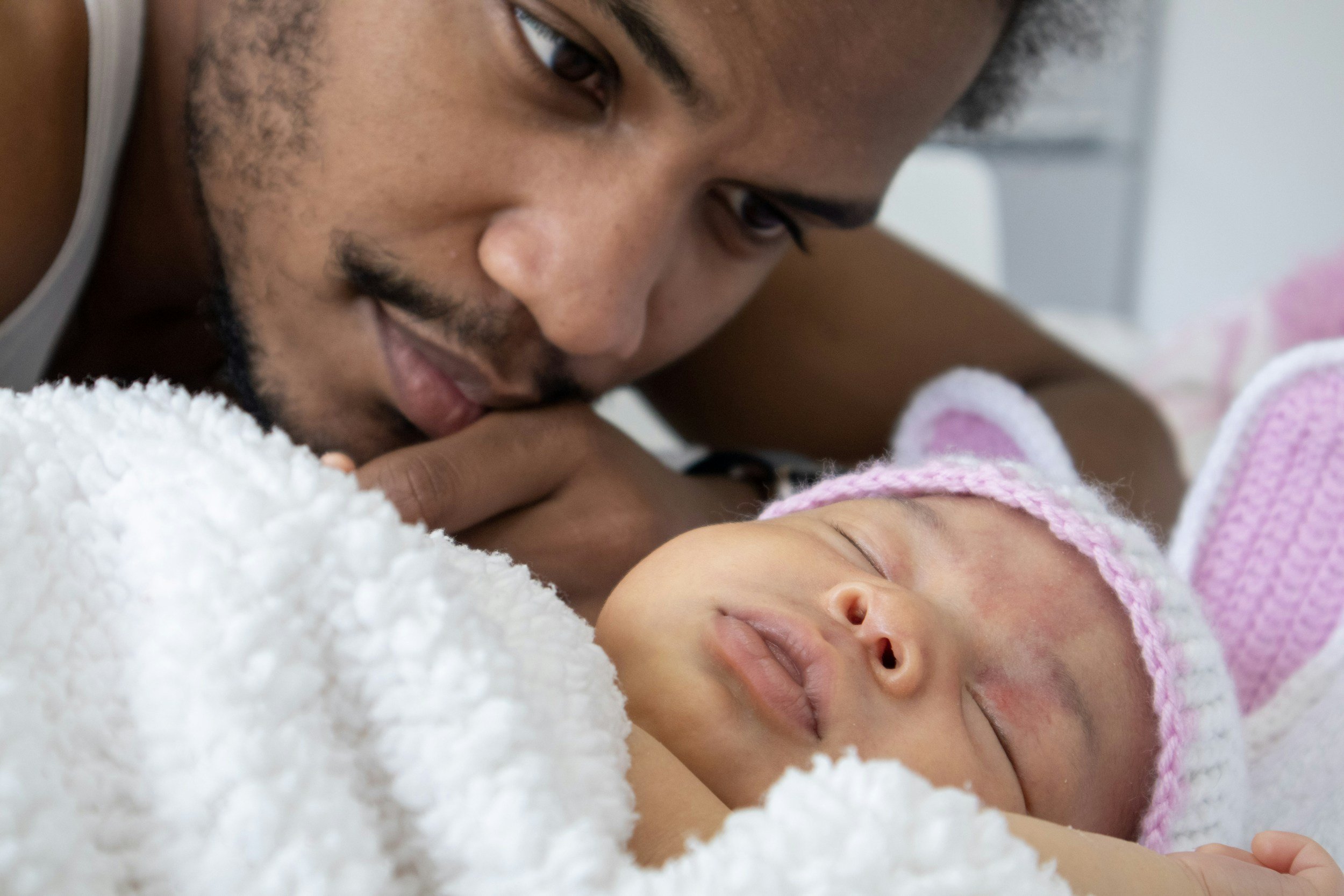
Parenting has a way of shining light on the parts of us that never got the care they needed. You might be surprised by your reactions—snapping over small things, shutting down when your child cries, feeling rejected by a toddler’s “no,” or struggling to relax even when everyone is okay. If you grew up with chaos, criticism, neglect, or walking on eggshells, those early experiences don’t just “disappear.” They can live in the body and show up in your parenting nervous system: in the way you anticipate danger, read intent, set boundaries, give comfort, and recover after a hard moment.
This is a psychoeducational guide to help you understand how childhood trauma can impact your parenting experience and your parent-child relationship, and how to begin changing patterns with gentleness. We’ll explore nervous-system science, attachment dynamics, intergenerational transmission, and concrete skills. We’ll also share how individual and couples therapy can support your healing (with in-person sessions in Hermosa Beach, West Los Angeles and Beverly Hills and secure online therapy across California).
Key Takeaways
Name patterns. Notice triggers, body signals, and repeating moments with your child.
Co-regulate first. Calm your nervous system, then connect and correct.
Repair often. Apologize, name feelings, and make a simple plan for next time.
Work the roots. Therapy helps heal attachment wounds and build secure patterns.
Why early experiences echo in parenting
Trauma isn’t defined only by what happened; it’s about how your nervous system had to adapt to survive. If your body learned to be on high alert (hypervigilance), to fawn to keep the peace, or to shut down to cope, those adaptations were protective then, but can complicate closeness now.
A note on prevalence. Many adults carry some degree of adverse childhood experiences (ACEs). Large U.S. surveys find that roughly two-thirds of adults report at least one ACE, and a significant minority report four or more. ACE exposure is associated with a range of mental and physical health outcomes across the lifespan.
Early relationships also wire how we expect closeness to feel. Serve-and-return interactions—those small, responsive back-and-forth moments between caregiver and child—literally shape developing brain architecture and lay the groundwork for emotion regulation and learning. When those interactions are inconsistent or frightening, kids adapt to stay safe; later, as adults, we may find safety and connection harder to feel in real time with our own children.
Common ways childhood trauma can show up in parenting
1) Hypervigilance and control
When chaos was normal, control can feel like safety. You might feel allergic to messes, noise, or unpredictability. Toddlers are inherently chaotic; your system may read normal child behavior as threat. The result: rigidity, frequent power struggles, or a sense that you are “failing” unless everything is perfect.
Try: Name the alarm (“I’m noticing my shoulders tense and my mind racing—it’s my old alarm system”) and downshift before responding (exhale slowly, lengthen your out-breath, unclench your jaw, plant your feet). Then choose one clear, kind limit instead of stacking demands.
2) Shutdown and emotional distance
If big feelings weren’t safe to express growing up, you may freeze or go numb when your child is upset. They may escalate to seek connection; you may withdraw more to cope, leaving both of you feeling worse.
Try: Offer three simple cues of presence: body (turn toward, soften your face), voice (slow, warm tone), words (“I’m here. This is hard. We can handle it.”). Connection does not mean permissiveness; it’s the bridge to guidance.
3) Reading rejection where there isn’t any
A child’s “no,” a teenager’s eye roll, or a baby arching away can trigger old wounds of not being wanted. You might spiral into resentment (“I do everything for you!”) or chase for reassurance (“don’t you love me?”), which can overwhelm your child.
Try: Separate the meaning from the moment. Developmentally, kids push away to learn autonomy. You can acknowledge your ache (“Oof, this stings”) and respond to the need (“You want to do it yourself. I’ll stay close.”).
4) Harsh self-talk and shame cycles
Trauma often leaves a critical inner voice. When you yell or freeze, shame tells you you’re a “bad parent,” which makes repair harder and increases reactivity next time.
Try: Replace “I’m terrible” with accurate accountability: “I yelled. That’s not how I want to show up. I can repair and try to do better next time.” Then repair (more below).
5) Inconsistent boundaries
If your boundaries were ignored as a child, you may struggle to set or hold them now, or you may swing between permissive and punitive. Both leave kids unsure where the edges are.
Try: Boundaries are kindness to the relationship, not punishment. Aim for firm + warm: “I won’t let you hit. I’m moving the toy for now. Your body is having big energy, let’s push the wall together.”
6) Difficulty tolerating your child’s distress
When your child cries, your body may flood with panic or anger. You might try to fix quickly, distract, or shut feelings down (“You’re fine!”) because their distress revives yours.
Try: Think co-regulation before correction. You don’t have to agree with the reason for the feeling to validate the feeling. “You’re so disappointed the show is over. It’s okay to be mad. We’re turning it off now; let’s do dinosaur stomps together.”
Attachment patterns at play
Attachment is about the felt sense of safe connection. Many of us carry strategies (not flaws) that helped us survive:
Anxious strategies: seeking closeness, fearing rejection, overexplaining, difficulty tolerating your child’s separations.
Avoidant strategies: downplaying needs, discomfort with dependency, valuing self-sufficiency over emotional expression.
Disorganized strategies: moving between pursue/withdraw, confusion when closeness cues feel threatening.
These patterns can shape how you read your child’s cues and how quickly you move into repair. The good news: attachment is highly repairable. What matters most is good-enough attunement over time, not perfection.
The intergenerational piece: why the past doesn’t stay in the past
Experiences and adaptations can echo across generations—through learned patterns, stress physiology, and even biological mechanisms that influence stress responsiveness. Research continues to explore how parental trauma symptoms (like PTSD) relate to child regulation and vulnerability, including via disrupted attachment signaling. Healing one generation creates ripple effects in the next.
When couple dynamics intensify the cycle
Children are exquisitely sensitive to the emotional climate between caregivers. High-conflict, contempt, or emotional withdrawal in the couple relationship can increase child distress and behavior problems. The reverse is also true: repair and warmth in the couple bond buffer kids. Targeted couples work (e.g., Gottman Method, EFT) can reduce volatility and strengthen secure patterns at home.
What “good enough” looks like in daily life
You don’t have to erase triggers to parent well. You can notice, name, and navigate them while fostering secure connection.
Notice: Track early body signals (tight throat, clenched hands, tunnel vision).
Name: “I’m flooded. My alarm is loud. I need 30 seconds.”
Navigate: Use a brief downshift (five slow breaths, cold water on wrists, count 5-4-3-2-1 senses), then reconnect.
Co-regulation sequence you can practice
Regulate you (breath, posture, slower voice).
Connect (reflect the feeling + presence).
Guide (boundary or problem-solve).
Example with a preschooler:
Regulate: Exhale longer than you inhale; drop shoulders.
Connect: “You really wanted more screen time. It’s hard to stop.”
Guide: “Screen’s done. We can jump it out together or push the wall—your choice.”
Repair is the magic
Messes are inevitable. Repair is how trust grows: “I yelled; that felt scary. My job is to keep you safe and speak kindly. I’m working on taking a pause. Next time I’ll breathe and use my calm voice.” Then do something small together (a snack, a short game) to close the loop. Repaired ruptures actually strengthen relationships over time.

Skills for specific tender spots
If you fear being “too much” or “not enough”
Create a self-compassion script you can reach for: “I am learning a new language. My pace is allowed.” Post it where you’ll see it at bedtime or by the coffee maker.
If you jump to worst-case scenarios
Use a cognitive behavioral therapy two-column reality check: Column A: “Alarm predicts…” Column B: “What I know right now…” Then choose one next best step (e.g., text the teacher a neutral question, not five).
If you were parentified (big responsibilities too young)
Practice right-sized help: “You’re stuck on your shoes. I’ll start the heel; you finish.” Name the value: “We help each other and we also let each other try.”
If you grew up with unpredictable caregivers
Build micro-rituals that anchor the day: a two-minute morning cuddle, a “goodnight story” even for a tween (high/low/thankful), a consistent goodbye phrase. Predictability signals safety.
If touch feels activating
Use non-touch co-regulation cues (matching breathing, humming together, sitting nearby) and slowly layer gentle physical connection (“Do you want a hand squeeze or a hug or neither?”).
How therapy helps (and why it’s about more than tools)
Individual therapy
You’ll map your triggers and body patterns, contextualize them in your story, and practice in-the-moment regulation that fits your nervous system. Trauma-informed approaches (EMDR, parts-informed work, attachment-based therapy, psychodynamic exploration) can help you digest the past, update limiting beliefs (“I’m unsafe unless I control everything”), and expand your window for closeness and stress. Over time, you’ll experience a felt sense of being steadier, even when your child is not.
Couples therapy
We help you identify pursue/withdraw cycles, lower conflict, and build secure-base teamwork for parenting. Gottman-informed work targets the “Four Horsemen” (criticism, defensiveness, contempt, stonewalling) and strengthens repair; EFT focuses on the attachment bond, helping partners turn toward each other for safety, which kids then feel as calmer homes.
Parent coaching with a trauma-informed lens
We pair psychoeducation (why your child’s behavior makes sense developmentally) with micro-practices you can use in hard moments. Because your history matters, we tailor strategies to fit your nervous system—not the other way around.
Where we work: In-person therapy in Hermosa Beach, West Los Angeles, and Beverly Hills, and secure online therapy across California.
Special seasons: pregnancy, postpartum, and parenting after loss or infertility
These seasons can reactivate earlier experiences: dependency needs, body vulnerability, sleep deprivation, and identity shifts. Parents with trauma histories may feel heightened alarm or numbness. If you’re navigating pregnancy after loss or a NICU stay, these stressors can amplify anxious or avoidant strategies. Therapy gives you a holding environment to metabolize fear, grief, and meaning—so you can be present with your baby now. (We offer perinatal-informed care, including support after infertility and pregnancy loss.)
When to seek extra support
You feel persistently numb, angry, or hopeless, or notice intrusive memories.
You’re often dissociating or losing time during conflict.
Substance use is becoming your main coping tool.
You’re in a high-conflict relationship that feels stuck.
Your child shows extended distress (sleep regression that doesn’t ease, school refusal, severe anxiety) despite consistent support.
Reaching out isn’t a failure; it’s a pattern break your future self, and your child, will thank you for.
Conclusion
Childhood trauma can shape how you experience parenting—how quickly you flood, how comfortable closeness feels, and how confidently you set and hold limits. None of this is a destiny. With language for the body, simple co-regulation skills, frequent repair, and support that tends the roots, you can foster a home where safety and connection grow—imperfectly, consistently, and together.
If you work with us
We offer individual therapy, couples therapy, and parent coaching, with in-person care in Hermosa Beach, West Los Angeles and Beverly Hills and telehealth across California. We’ll meet you where you are: with warmth, psychoeducation, and practical tools that fit your nervous system.
-
Look for patterned intensity (e.g., disproportionate anger or shutdown), body alarms (tight chest, tunnel vision), and rapid shame spirals after conflict. If these show up often, trauma-informed support can help you widen your stress tolerance and reduce reactivity.
-
Yes. Repair and consistency change brains at any age. Naming your part, apologizing, and practicing new responses—repeatedly—rebuild trust and teach regulation. Adolescents especially benefit from responsible repair paired with clear, fair boundaries.
-
Coaching focuses on skills and strategies for current challenges. Therapy addresses the roots (attachment wounds, trauma, beliefs) reshaping how you experience those challenges. Many parents benefit from a blend.
-
Yes. Improving the emotional climate between caregivers decreases children’s stress and behavior problems. Models like Gottman Method and EFT help partners reduce volatility, increase repair, and become a stronger parenting team.
-
Trauma-informed therapy is titrated—we build stabilization skills before touching intense material. You stay in the driver’s seat; we move at your pace. Safety and consent are woven through the process.
-
Yes. We see clients in person in Hermosa Beach and Beverly Hills and online across California. We’ll help you decide what format best supports your needs and schedule.
Disclaimer
This article is for educational purposes only and is not a substitute for diagnosis, assessment, or therapy. If you are in crisis or having a medical or psychiatric emergency, call 911 or go to your nearest emergency room.